
Unclogging Drains
Clogged drains can be a frustrating household issue. In this article, you'll discover expert tips and techniques for effectively unclogging drains and maintaining your plumbing.
Energy Revolution System — FB Ads LP1 (Informational)
DIY alternative-energy digital guide (ClickBank). Informational presell LP1 at /lp/CB-TheEnergyRevolution-FB-LP1Info. All CTAs use this hoplink with FB Ads traffic params.
Unclogging Drains
Clogged drains are a common nuisance for homeowners and renters alike in Australia. Learning how to tackle this issue could save you from costly plumbing bills and ensure the smooth operation of your drainage system. In this guide, we will explore effective techniques for unclogging your drains, the tools needed, some common mistakes to avoid, and long-term maintenance tips to keep your plumbing in top shape.
Understanding Drain Blockages
Common Causes of Clogs
Drain blockages can stem from various sources:
- Hair and soap scum: Accumulation in bathroom sinks and showers.
- Food waste: Often found in kitchen sinks, especially when not using a drain strainer.
- Foreign objects: Toys or debris mistakenly flushed down the toilet.
- Grease buildup: Common in kitchen sinks, leading to serious blockages.
Signs of a Clogged Drain
Look for the following indicators:
- Slow draining water
- Gurgling noises from the pipes
- Foul odours from the drainage system
- Water backup in sinks or tubs
Essential Tools & Materials
Before you get started, gather the following tools:
- Plunger
- Drain snake or auger
- Bucket
- Baking soda and vinegar (natural cleaning solution)
- Rubber gloves
- Safety goggles
- Pliers
Find More → [EssentialTool]
Step-by-Step Guide to Unclogging Drains
- Safety First: ⚠️ Always wear gloves and goggles to protect yourself from debris and chemicals.
- Clear the Area: Remove any debris around the drain or sink to prevent contaminants from entering your cleaning solutions.
- Use a Plunger: Ensure there’s enough water in the sink and place the plunger over the drain, creating a seal. Push down and pull up vigorously for several minutes.
- Try a Drain Snake: Insert the drain snake into the drain while twisting it. Push it further until you feel resistance, then pull it back slowly to remove any clogs.
- Baking Soda and Vinegar Method: Pour half a cup of baking soda followed by half a cup of vinegar down the drain. Cover it and wait for 30 minutes.
- Flush with Hot Water: After 30 minutes, run hot water down the drain to flush away the loosened debris.
- Repeat if Necessary: If the drain is still clogged, you may need to repeat the process.

Common Mistakes to Avoid
- Using Excessive Force: Forcing the plunger or snake can damage your pipes.
- Neglecting Safety: Not wearing gloves or goggles can expose you to harmful bacteria or compounds.
- Ignoring Small Clogs: Address minor clogs before they escalate into larger issues.
Long-Term Maintenance Tips
- Use Drain Strainers: Install drain strainers to catch debris and prevent blockages.
- Regular Cleaning: Clean your drains monthly using baking soda and vinegar to prevent buildup.
- Educate Your Household: Teach family members what can and cannot be flushed or washed down the sink.
Professional Help
If issues persist, consider consulting professional plumbing services. Resources such as B&Q or Mitre 10 provide guidance on selecting reliable contractors.
Conclusion
Unclogging drains can seem daunting, but with the right tools and techniques, it's a manageable DIY project. Regular maintenance and knowledge of your plumbing system will keep your drains flowing smoothly. For more tips on household fixes, explore our DIY Fixes Hub and keep your home in top condition.
FAQ Section
1. How often should I clean my drains?
Regular cleaning is recommended at least once a month to prevent buildup.
2. Can I use chemical drain cleaners?
Yes, but they can be harsh on your plumbing. Use them sparingly and consider natural alternatives first.
3. What should I do if my drain is still clogged after trying these methods?
If there’s no improvement, it may be time to call a professional plumber.
4. Are there DIY methods to prevent future clogs?
Absolutely! Regularly using a drain strainer and monthly baking soda and vinegar solutions can help greatly.
5. How can I fix a leaky faucet?
Check out our guide on fixing leaky faucet for step-by-step instructions on addressing that common issue.
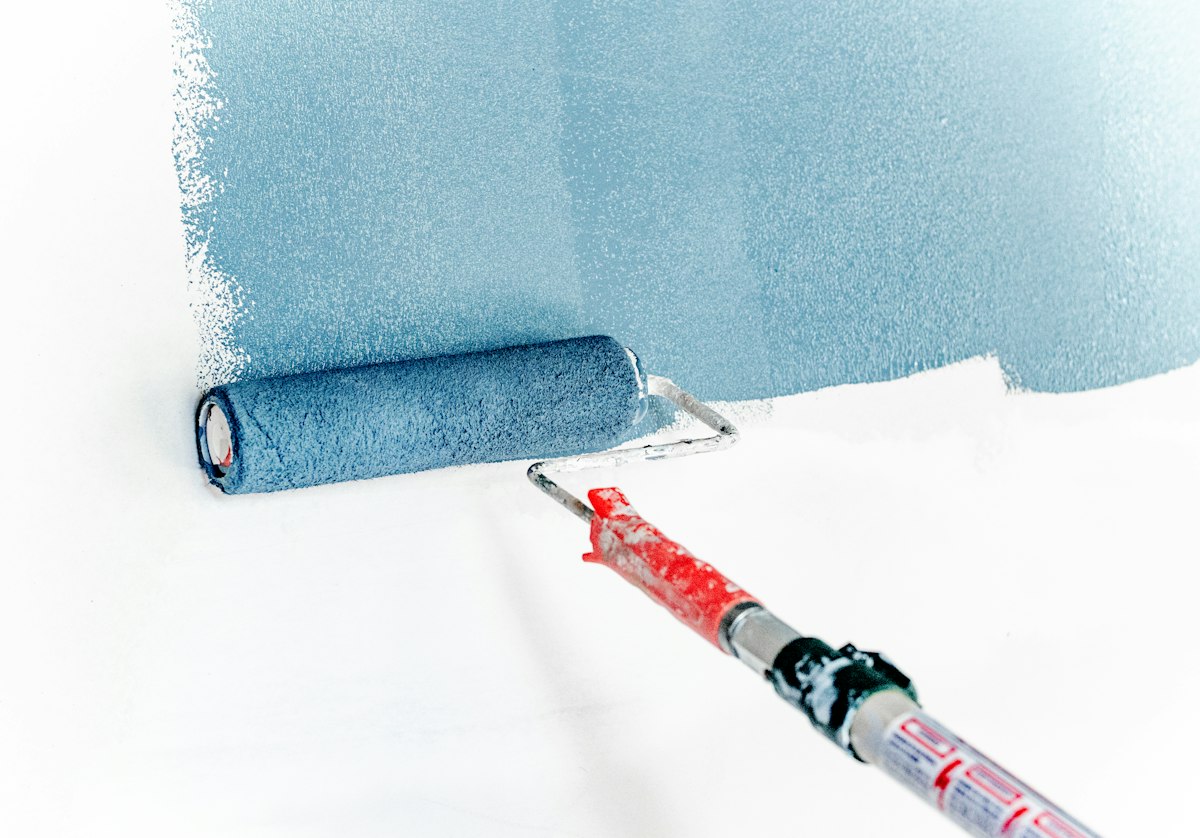
Remember, maintaining your plumbing can save you money and headaches in the long run. Take charge today and implement these strategies for a healthier, drainage system. Find More → [FinalCTA]
Affiliate Disclosure: This article contains affiliate links. If you purchase through them, Vetoki may earn a small commission at no extra cost to you.

Energy Revolution System — FB Ads LP1 (Informational)
DIY alternative-energy digital guide (ClickBank). Informational presell LP1 at /lp/CB-TheEnergyRevolution-FB-LP1Info. All CTAs use this hoplink with FB Ads traffic params.
Check Price & AvailabilityRelated Guides
See all DIY Fixes
Comments
No comments yet. Be the first to share your experience!